

How to Prevent Ankle Injuries: 3 Essential Exercises for Better Stability
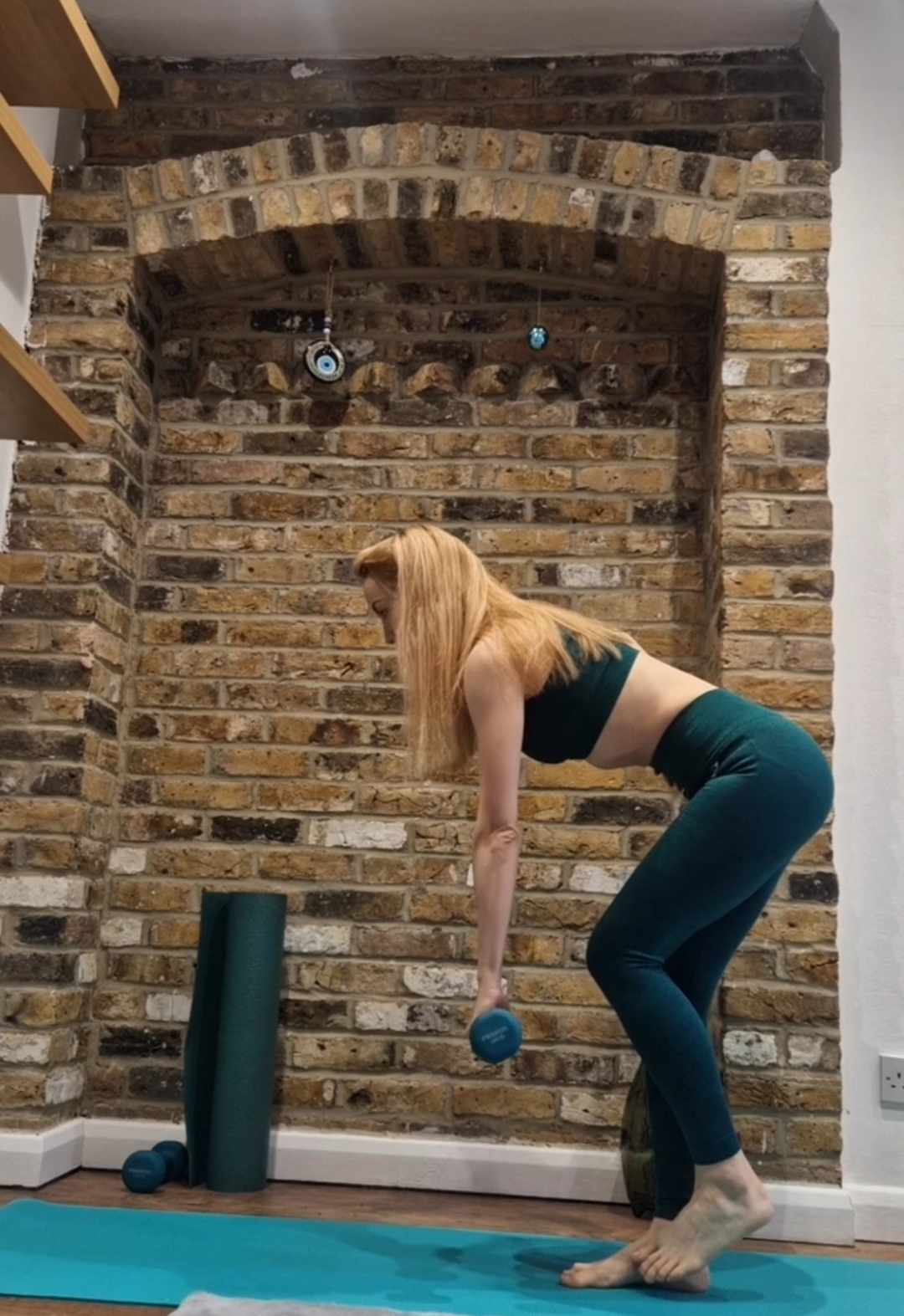
Expert advice from Chris Berardi of CC Academy of Fitness, London, on improving ankle stability, strengthening the lower body and staying fit at every age.
Why Injury Prevention Matters
One of the key rules in life is to be not just an optimal problem solver, but also a prevention enthusiast. We’ve all heard the common phrase “prevention is key”, or, more expansively, with the seven ‘P’s: “Prevention Planning and Precision Prevents Piss-Poor Performance”…
This is a popular reason why we exercise and train, and certainly is a part of my job that I thoroughly enjoy, and which gives me plenty of fulfilment. It’s not just about building stamina and/or strength so as to play our favourite sport or prep for a triathlon. Sometimes what I adore is helping people all ages stay “forever-fit – and doing my best to help them avoid the most common injuries.
For example, 70% of ankle injuries occur because of lateral ankle collapse, because not only is the ankle joint one of the most unstable due to there being little muscle – but, surprise, surprise, because we don’t usually move from side to side in every day life. Therefore, stability in the sideways plane is not always there. Also, our intrinsic foot muscles, due to wearing shoes that don’t necessarily allow us to engage the ground reaction forces, can suffer extra pressure on the ankle and knee joints, creating tension in the calves and hip joints.
Exercises to Help Prevent Ankle Injuries and Improve Lover Body Stability
So here are a few of my favourite tips for the prevention of ankle injuries and the promotion of lower-body stability.
1. Calf Raises
First of all, whether you’re an endurance runner, an elegantly poised high-heeler, or anyone in between, you cannot go wrong with good, old-fashioned calf raises.
The point of the calf muscles is to plantarflex the ankle (go on tiptoes), which means your foot muscles and plantar fascia are getting a good stretch (as well as your calves getting a nice little workout). Do 10-15 Reps of those.
2. Lunges
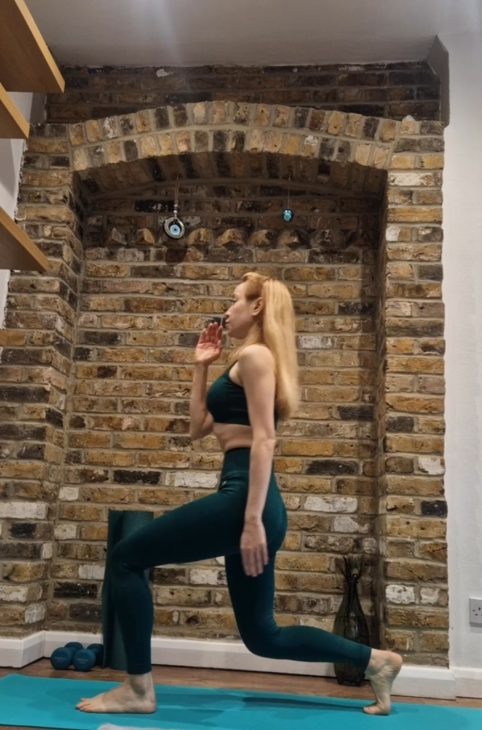
Secondly, lunges are a great way of working on balance, joint stability AND the many powerful leg muscles that support said joints.
Forward, curtsey (backward), and side lunges (basically in different directions) help make up for the lack of backward or side-to-side movement in daily life.
3. Wall-Sits
Last, and my personal favourite (but not for the faint-hearted), a good, solid wall-sit (back against the wall, glutes squeezed, knees bent at 90 degrees and sit) for a minute, or as long as you wish (I do about 5) is a great way of working not just the big muscle groups, but the passive structures (ligaments, tendons, cartilage, etc).
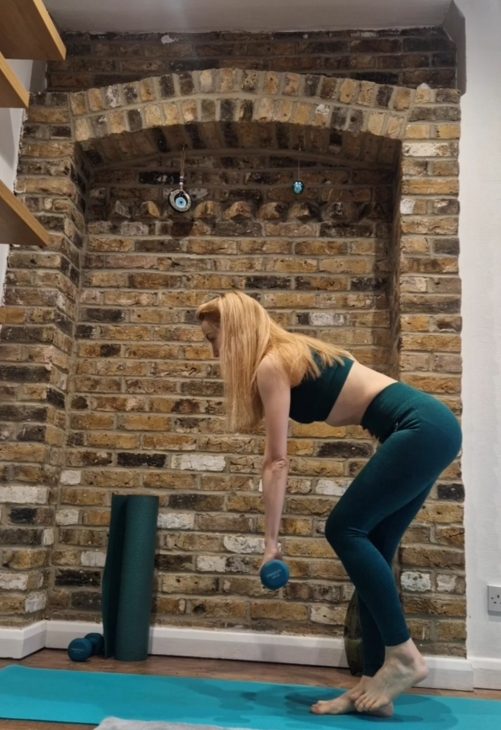
Chris Berardi of CC Academy of Fitness Featured in Good Housekeeping
If you wish to have more anatomical insight (and a bit more of a fun read), I’m quoted in the Good Housekeeping article by the amazing health and wellbeing writer, maestro Miranda Levy-there is so much to say about how to stay fit at any age…
Read the Good Housekeeping article: Leg Exercises for Stability.

